

Moral Stories for Kids in English: Children’s minds are like blank canvases, ready for knowledge and wisdom. Storytelling is an effective way of teaching valuable life lessons and stimulating their imaginations. This collection of educational moral stories for English kids aims to inspire young minds with relatable characters and simple narratives. The stories entertain while imparting values like honesty, kindness, responsibility, and empathy. Parents, educators, and caregivers will find these stories perfect for teaching children essential principles and enjoyably fostering moral development. So, relax and explore this magical world of storytelling where each page teaches something new about life.
Once upon a time, in the vast world of children’s imagination, moral stories have carved their own timeless space. These stories, laden with lessons, have transcended generations, molding character and imparting wisdom in the simplest of ways. We journey to a land where animals speak and every action weaves the fabric of a child’s moral compass.
The tales of the cunning hare, the boy who falsely alarmed villagers, and the industrious ants, among others, are not just bedtime entertainment. They serve as gentle guides, illustrating virtues like honesty, diligence, and kindness, while showcasing the pitfalls of traits such as laziness and greed. These narratives craft a backdrop where children can explore the significance of values in a relatable context.
In this article, we will not only recount the classic moral stories for kids in English, but we will delve into the wealth of knowledge they hold. We explore magical tales with powerful lessons, fungal forests with philosophical fauna, and how these stories contribute to a child’s personality development, nurturing a generation that is both imaginative and ethically grounded.
CONTENTS AVAILABLE AT THIS PAGE
Popular Moral Stories for Kids
Moral stories for children hold a special place in the landscape of literature, serving as gentle yet powerful teaching tools. These narratives are not just engaging for young listeners or readers; they are imbued with life lessons that help shape values and character. For parents and educators, moral stories offer a means to communicate valuable lessons about honesty, kindness, perseverance, and wisdom in an accessible way. They also contribute to the child’s language development, enriching their vocabulary and understanding of sentence structures. Repetitive reading of these stories serves to reinforce their messages, instilling universal truths within young minds.
The Boy Who Cried Wolf
The classic tale of “The Boy Who Cried Wolf” is an enduring reminder of the consequences of deceit. A shepherd boy, seeking entertainment, repeatedly tricks the nearby villagers into thinking a wolf is attacking his flock. When a wolf does appear, his cries for help are disregarded as another false alarm, leaving him with a harsh lesson on the importance of honesty. This story teaches children that trust, once broken, is hard to rebuild, and that one’s words should always be spoken with truth.
The Tortoise and the Hare
In the well-loved fable “The Tortoise and the Hare,” we learn about the value of persistence and the pitfalls of arrogance. The swift hare, so confident in his ability to win the race, takes a leisurely nap, whereas the slow-moving tortoise keeps going, steadily and without pause. The lesson is clear: success often comes not to the fastest but to those who remain consistent and continue working towards their goals without underestimating the competition.
The Ant and the Grasshopper
Through the contrasting characters of the hardworking ant and the carefree grasshopper, this fable highlights the virtue of diligence. As the ant spends summer and autumn toiling to prepare for winter, the grasshopper chooses to relax and play. When the cold season arrives, the grasshopper is unprepared and pays the price for his lack of foresight, teaching children to think ahead and value preparation and hard work over instant gratification.
The Lion and the Mouse
Sometimes the smallest acts of kindness can yield the greatest dividends, a lesson elegantly portrayed in “The Lion and the Mouse.” When a lion spares the life of a small mouse, the act of mercy is seemingly insignificant. However, that same mouse later comes to the lion’s rescue, freeing him from a hunter’s net. The story is a testament to the power of showing kindness and how it can come back to you in unexpected ways, regardless of the other person’s size or strength.
The Goose That Laid the Golden Eggs
The tale of “The Goose That Laid the Golden Eggs” is a poignant reminder of the dangers of greed. A farmer, blessed with a goose that produces golden eggs, grows impatient with the daily bounty and opts for what he thinks is a shortcut to wealth. This story serves to underscore the wisdom of patience and the folly of short-sightedness, as the farmer loses his precious source of wealth in a moment of foolish greed.
Moral stories are a key element in the nurturing of young minds, providing memorable and meaningful lessons that stick with children for a lifetime. By sharing these stories, we impart morals that can guide them toward responsible and thoughtful behavior in the diverse situations they will inevitably encounter in life.
Life Lessons in Moral Stories

Moral stories for kids in English play a pivotal role in instilling essential life values through tales that are not only entertaining but also full of meaning. With every read, children absorb universal truths, and the frequent retelling of these tales reinforces the moral lessons embedded within them. Incorporating vivid imagery and pictures, these stories capture the imagination of young minds, making the learning experience more engaging and impactful. Research suggests that narratives with a strong moral foundation can aid in the early development of moral reasoning, helping children discern right from wrong through the actions of relatable characters. As an integral part of a child’s growth, short moral stories facilitate both language development and the understanding of significant life lessons.
The Importance of Honesty
Honesty is the cornerstone of character and one of the most essential values advocated by moral stories. By presenting scenarios where truth triumphs, these stories create a lasting impression on young minds. Repetitive storytelling engrains the significance of being truthful, as children come to recognize the positive outcomes of honesty through characters they admire. The narratives maintain their attention, ensuring each moral is not just heard but understood and remembered. By emphasizing the virtue of honesty with engaging plots, moral stories deliver a message that stays with a child well beyond the final page.
The Value of Hard Work
Hard work is another fundamental principle championed by moral stories. These tales act as guideposts in a child’s journey toward adulthood, helping them face challenges with determination. Children learn that persistent effort, rather than luck or talent alone, leads to genuine success. A story like “The Tortoise and the Hare” exemplifies the rewards of perseverance and the perils of complacency, teaching kids that slow and steady effort can often outdo swift but sporadic bursts of energy. Such narratives nurture resilience and inspire children to approach their own goals with the same dogged determination.
The Power of Kindness
Moral stories often carry the powerful theme of kindness, showing children the profound impact that compassion and goodwill can have on the world. Through these narratives, children discover how small acts of generosity can make a difference, inspire change, and build a sense of community. Stories enriched with captivating images reinforce these valuable lessons, ensuring that the morals linger in a child’s thoughts. Narratives like “The Lion and the Mouse” resonate deeply, showing that even the smallest creature can exhibit a great heart, and in doing so, they pass on a legacy of kindness to young readers.
The Consequences of Greed
The pitfalls of excessive greed are a common thread in moral stories, presented to caution children against the destructive power of avarice. For example, the story of “The Goose That Laid the Golden Eggs” poignantly illustrates how greed can obliterate one’s blessings. Moral stories present a clear picture: the desire for more can lead to losing everything one already has. Tales that communicate this message encourage children to appreciate what they have and to understand that unchecked greed can yield irreversible consequences.
The Strength of Friendship
In a world where relationships hold immense value, moral stories shed light on the strength and significance of friendship. Tales underscore the necessity of choosing friends wisely, as well as the impact that those friends have on our lives. The stories portray the advantages of having a quick-witted and reliable companion and the drawbacks of deceit within friendships. For instance, the tale of “The Lion and the Mouse” reinforces the idea that a true friend will come to your aid regardless of their size or strength. These stories serve to implant the ideals of loyalty and integrity in friendships, guiding children toward understanding and valuing lasting and genuine connections.
Valuable Lessons in Moral Stories

Moral stories are a treasure trove of valuable lessons for children, offering an array of life skills wrapped in the fabric of captivating narratives. These stories provide more than just entertainment—they are a source of ethical guidance. By infusing traditional storytelling with themes of truth, love, respect, and community, moral stories appeal to young minds eager to understand complex human virtues. They mirror the true essence of our culture and ethics, making vital ethical principles relatable and easy to grasp for readers from all walks of life.
Learning to Be Patient
Patience is not just a virtue; it is a skill that children learn through the gentle and subtle teachings of moral stories. Through characters like Samaira, stories teach children that patience enables them to make measured and considered decisions. Samaira’s story, which follows her as she thoughtfully navigates her life, teaches children to be patient and to hold to their beliefs. Such stories don’t just narrate events; they offer a blueprint for children to develop patience as they grow, helping them understand that with time, even difficult situations can be handled with grace and poise.
Understanding the Importance of Sharing
The act of sharing extends far beyond physical belongings; it encompasses the sharing of thoughts, feelings, and experiences. Stories that illuminate the beauty of sharing teach children that when we open our hearts to others, we foster deeper connections and understanding. Children learn that sharing is not just about giving away what we have but also about enriching our own lives and those around us. Through the power of story, concepts like open communication and emotional generosity become tangible and impactful lessons that stick with children as they navigate the complexities of social interactions.
Respecting Differences and Diversity
In a beautiful tapestry of narratives, moral stories reflect the vibrant shades of human diversity and the innate beauty of our differences. Through characters from various backgrounds, children learn that respect for diversity is fundamental to a harmonious society. Stories like those of the thirsty crow or the greedy dog teach children to celebrate differences, encouraging them to become responsible, respectful, and empathetic individuals. Each story sends a powerful message: that kindness and respect are universal languages that can bridge any gap and that diversity, in all its forms, is something to be honored and cherished.
Facing and Overcoming Challenges
Life is a mosaic of challenges and triumphs, and moral stories for kids illustrate this intricate balance with elegance and relevance. These narratives embed the importance of unity, clear judgment, and critical thinking when obstacles arise. They serve as a compass, guiding children through emotional and moral landscapes, and teaching them to face difficulties with courage and integrity. With each tale, the concept of overcoming life’s hurdles is reinforced, endowing young readers with a fortified sense of confidence and the understanding that challenges are not roadblocks, but opportunities for growth and self-discovery.
Making Wise Choices
Each moral story is a lesson in the art of making wise decisions. Children, engaging with these stories, imbibe the essence of prudence, learning that every choice has a consequence. As they follow the adventures and dilemmas of various characters, they gain insights into the importance of making decisions that are aligned with their values and the common good. With every reiteration of these tales, the morals seep deeper into their consciousness, helping them navigate the complexities of life with foresight and wisdom.
The Magical Tree and Other Inspirational Stories

Moral stories for children serve as instrumental conduits for imparting lifelong teachings. “The Magical Tree and Other Inspirational Stories” consists of a collection, steeped in the tradition of storytelling, that introduces powerful and thought-provoking messages for young minds. Within the groves of the enchanted forests and the palaces of courage, these tales illumine stories of virtue, consequences, and compassion. They are designed to foster personality development and morals in kids through engaging English story plots, captivating the imagination while enriching the soul with moral fibers.
The Magical Tree That Grants Wishes
Once there lived two brothers who stumbled upon a mysterious and magical tree while wandering through a dense forest. The older brother, driven by greed, saw the opportunity to exploit the tree’s magical powers for his gain. When the magical tree offered golden apples in exchange for mercy on its branches, the older brother agreed. However, his insatiable greed led him to demand more, and in return, the tree showered him with hundreds of sharp needles instead of apples. Lying in pain, the older brother’s experiences taught him a valuable lesson about greed, consequences, and the importance of kindness—a poignant reminder that avarice leads to downfall.
The Talking Animals in the Enchanted Forest
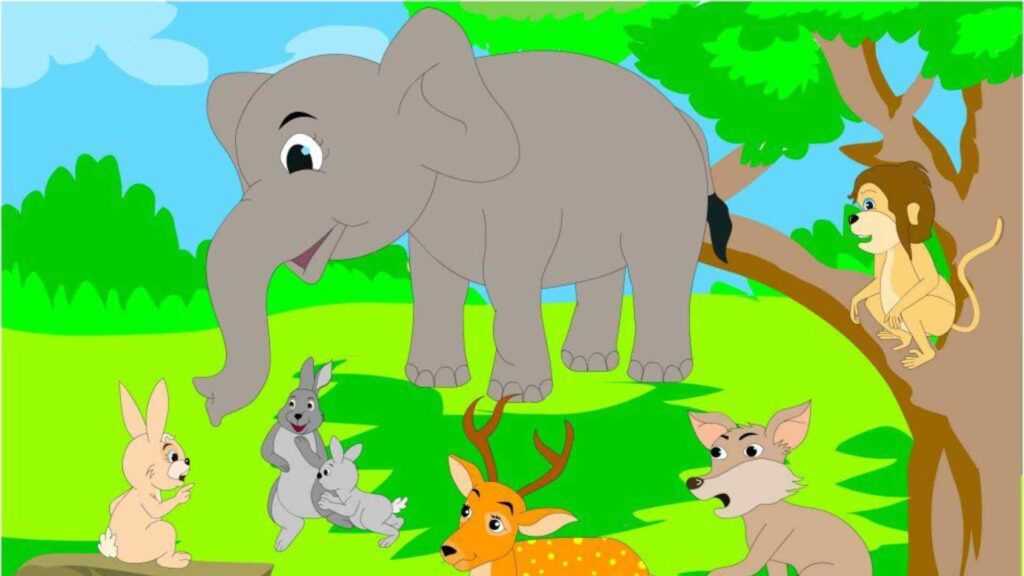
In an enchanted forest lived an elephant who longed for friendship amongst diverse creatures. However, due to his grand size and thunderous steps, he was met with rejection and fear. It wasn’t until the elephant’s bravery shone—a moment of fearlessness towards a menacing tiger—that the other animals realized his potential as a true friend. This story of selfless valor underscores the moral that true friends come in every shape and size and that bravery and acceptance forge the strongest bonds.
The Brave Little Boy and the Adventure of a Lifetime
There’s a story of a brave little boy whose adventures speak volumes about the strength that lies within each of us, regardless of size or age. Moral stories like his encourage children to face fear with braveness and reject any notion of inadequacy. Intricate and vibrant, they are repeated to children, embedding in them the value of courage and instilling judgment skills essential for life’s myriad decisions. Such narratives aren’t just entertaining; they become the moral compass guiding young ones across life’s seas.
The Courageous Princess Saving Her Kingdom
In a kingdom far away, a young princess stood as the epitome of courage and wit. She faced challenges, not with her sword, but with the power of her mind and the kindness of her heart—proving that battles are won not always with strength but with perseverance and wisdom. Her story becomes a beacon, teaching children that valor is not limited by gender and that even the gentlest of souls can wield great power in protecting what they cherish.
The Wise Old Owl and the Lesson of Wisdom
Perched upon the branches of an ancient oak tree, the wise old owl of legend observed the world with a keen eye. His sparing use of words and superior listening abilities accumulated into profound wisdom. The old owl’s tale conveys to the young ones the virtue of observing more and speaking less, underlining the art of wisdom through silence and mindfulness. His story is a testament that wisdom is often found in moments of quiet contemplation and the power of keen observation.
In conclusion, “The Magical Tree and Other Inspirational Stories” offers a collection of narratives that resonate with the essence of our human experience. They are timeless, inspiring stories seeped in morals, perfect for kids to carry with them into the bright future that awaits.
Personality Development Through Stories

Moral stories are not just a source of entertainment for kids; they are a cornerstone in the edifice of personality development. Tales replete with ethics and morals are pivotal in distinguishing right from wrong, providing a moral compass for young minds to navigate the complexities of life. Settings that range from the forests of fables like those from Panchatantra to the villages of Jataka tales, each narrative threads into the delicately developing fabric of children’s personalities by fostering integral values and beliefs. As these tales celebrate virtue and consequence, kids absorb the invaluable life lessons woven within, which lays the foundations for a well-rounded individual.
Developing Self-Confidence and Positive Self-Image
Moral tales serve as a robust scaffolding structure for children to build their self-confidence and craft a positive self-image. As they venture through stories of heroes overcoming adversity or common folks making the right choices, children vicariously experience triumph and righteousness. Such narratives plant the seeds of courage and provide a yardstick for behavior that can counteract negative influences in a child’s life. Not only do these stories teach moral discernment, but they also imbue kids with a sense of belonging and self-worth. Grandparents and parents often recount these tales, thereby directly contributing to shaping the armor of self-confidence that children wear into the world.
Building Empathy and Emotional Intelligence
Moral narratives are a gentle but effective tool in nurturing the tender shoots of empathy and emotional intelligence in young hearts. Through character-driven stories that reflect a spectrum of situations and emotions, children are invited to walk in another’s shoes. As these tales underscore values of responsibility, respect, honesty, and compassion, they guide young listeners toward a deeper understanding of the feelings of others, enhancing their ability to relate and connect. These repeated lessons turn into internalized moral truths, laying the groundwork for the judicious decision-making and profound emotional understanding that constitute emotional intelligence.
Nurturing Creativity and Imagination
While moral stories impart life lessons, they equally ignite the spark of creativity and stir the cauldron of imagination within the hearts of children. Vivid tales of enchantment and valor transport kids to worlds unconstrained by physical laws, where the mind is free to roam and wonder. This engagement not only holds a child’s interest but also advances cognitive development, fostering focus and nurturing the ability to conceive novel ideas. Moreover, the ritual of story repetition not only solidifies the moral but reaffirms the child’s creative journey across the vast landscape of their imagination.
Conclusion:
Moral stories for children provide important lessons and can influence young minds positively. From traditional tales like “The Boy Who Cried Wolf” to contemporary stories like “The Magical Tree and Other Inspirational Stories,” these narratives offer valuable teachings that are applicable across different contexts and periods.
Moral stories help children learn important values and develop essential skills that are key to their growth and development.
Storytelling provides a gateway to a limitless world of opportunities and potential for future generations.
Related Read:- 10 Lines Short Stories With Moral Messages | Checkout